
How does Cuxhaven benefit from offshore wind energy?
What were the results of the North Sea Summit in Hamburg at the end of January?
Which areas were put out to tender and according to which criteria?
How many offshore wind turbines have been and are being installed?
Why does a local cluster provide support and can help in the event of political headwinds?
What steps are being taken to facilitate the establishment of new value creation in Cuxhaven and support local offshore wind companies? …
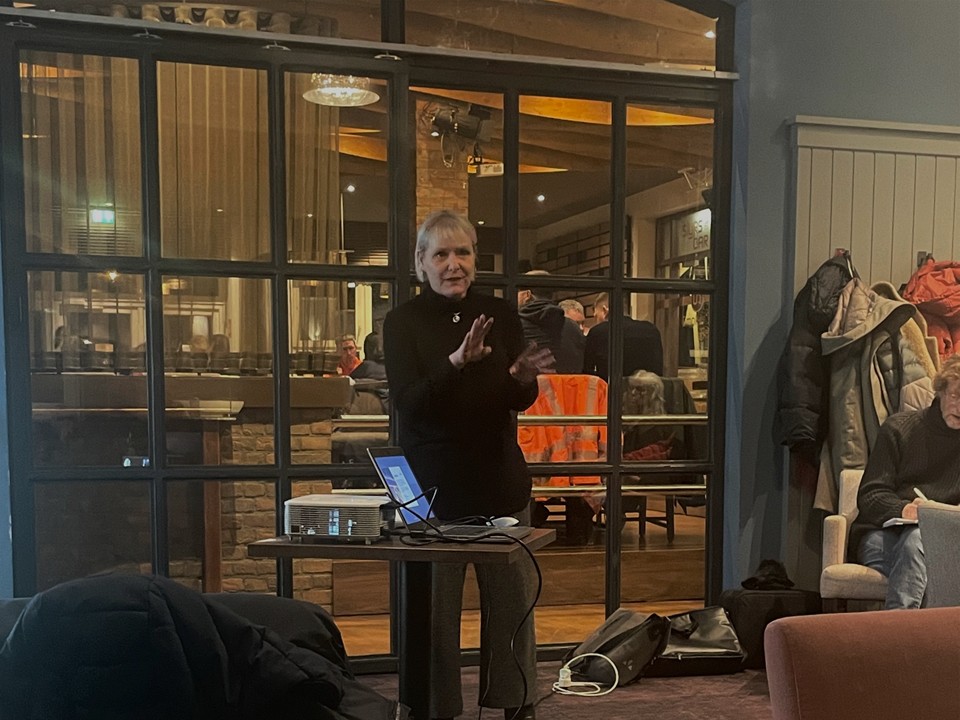
… These and many other exciting questions arose following my presentation “Offshore wind power: Cuxhaven can do the sea, whether with headwinds or tailwinds” at Unikat on February 19 in Cuxhaven.
We are a long way from our expansion target of 30 GW by 2030; according to WindEurope’s annual statistics report, we will reach 16 GW by then, and still face many hurdles and challenges.
The offshore wind industry in Cuxhaven is working purposefully on the expansion of wind energy at sea and thus for the energy transition and climate protection.
Over 16 GW have been awarded in tenders and are under development. If even only part of this is produced and loaded in Cuxhaven, then a significant increase in local jobs can be expected. The port is being expanded thanks to the federal and state governments, the port operators and local companies. This is an important step for the offshore wind industry, for the developers and operators, but also for the supply chain in the region and in the industry.
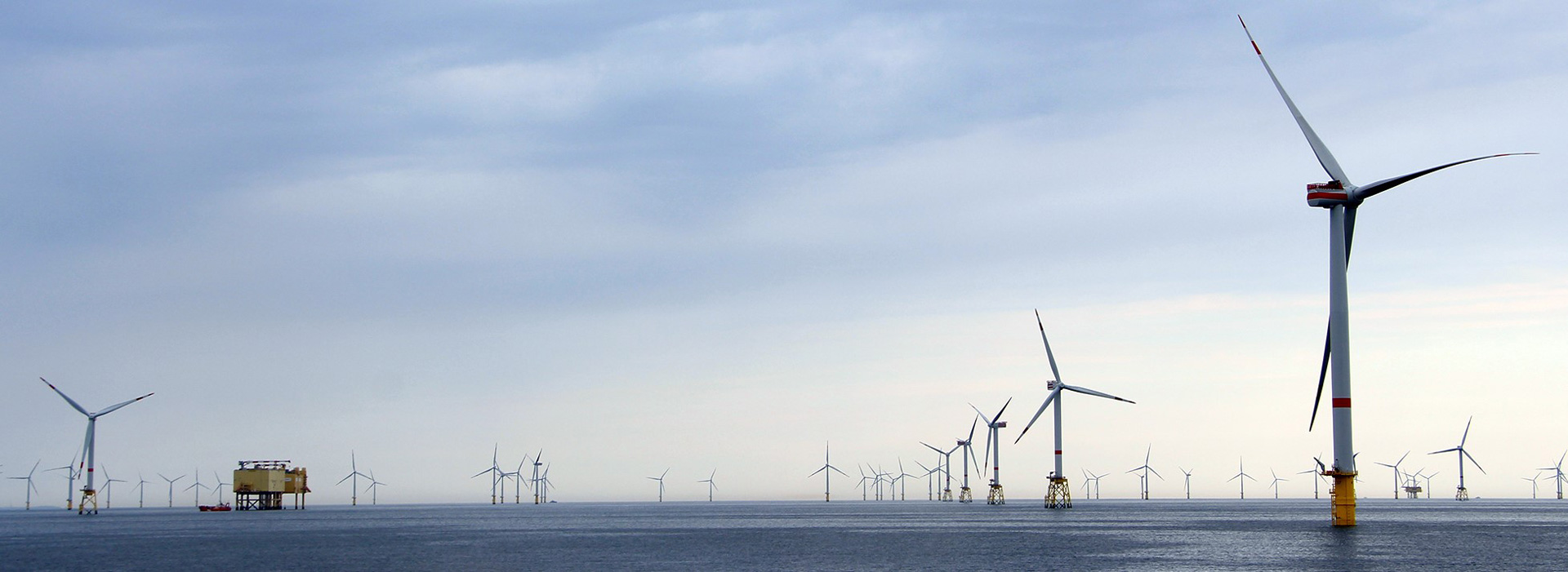
Offshore wind power plants are being built in the North Sea that can produce more electricity or green hydrogen than is possible on land if the site planning is right. Despite all the discussion about “wake effects” and the cost-intensive grid connection, which has been co-financed for some time by the income from the tenders. Concerns about seabirds, which according to current scientific findings are hardly at risk.
Offshore wind energy has so far been “homemade” in Europe and is a very efficient and sustainable form of energy generation and therefore an indispensable pillar of the energy transition.
The European steel industry, chemical industry, cement industry, the energy-intensive industry in general and the operators of server capacities are very much dependent on a reliable European policy for their competitiveness. An “up and down” without European green lead markets and/or with strong overcapacity from non-European third countries is not a perspective for these industries. Of course, policymakers can focus on a downward trend and reduce energy requirements accordingly. This has a price: this path costs jobs and prospects and leads to a dependent/climate-damaging energy supply.
Offshore wind energy is also being expanded outside Europe and energy-intensive industries can also relocate to places where reliable political framework conditions and stable, cost-efficient electricity prices are offered. Then we would have a lower demand for electricity and green hydrogen and at the same time an impressive loss of prosperity and value creation. This is avoidable: Clean Industrial Deal, long-term reliable cross-industry planned framework conditions and European cooperation.
I hope that setting the right course will make it possible to achieve the expansion targets with a high proportion of European value added at sea. In this way, an important contribution can be made to an independent, cost-effective, efficient, safe and value-adding renewable energy supply.
I would like to thank the organizers from Bündnis 90 – Die Grünen Cuxhaven for the invitation to the lecture, the successful evening and the good exchange.


