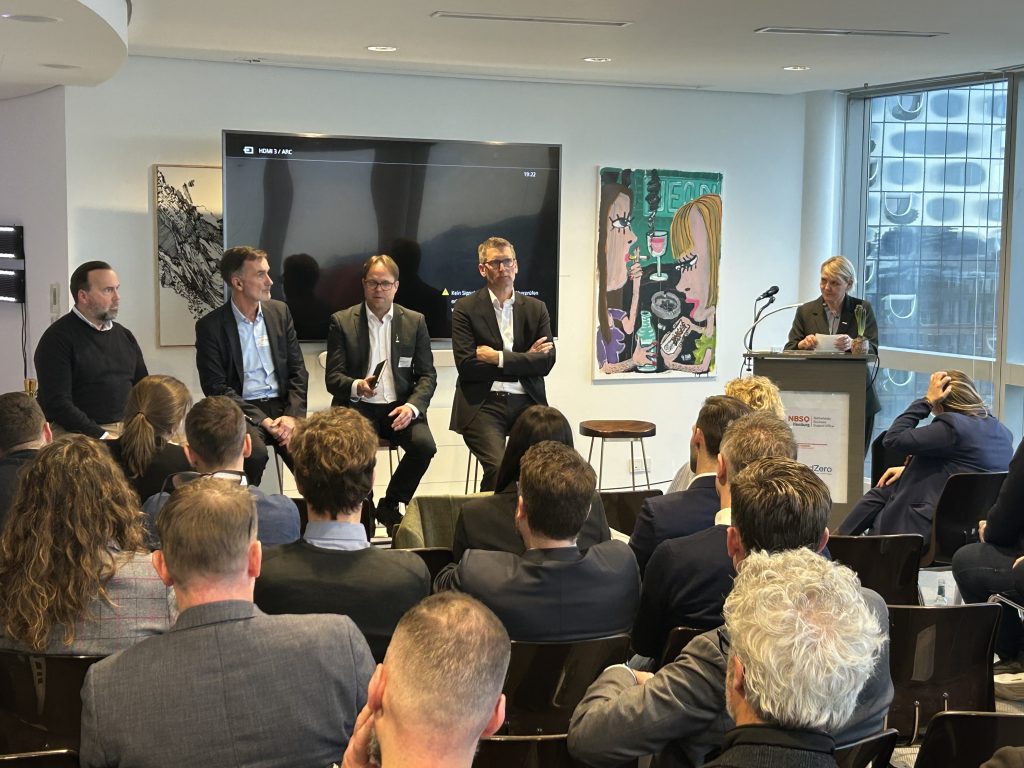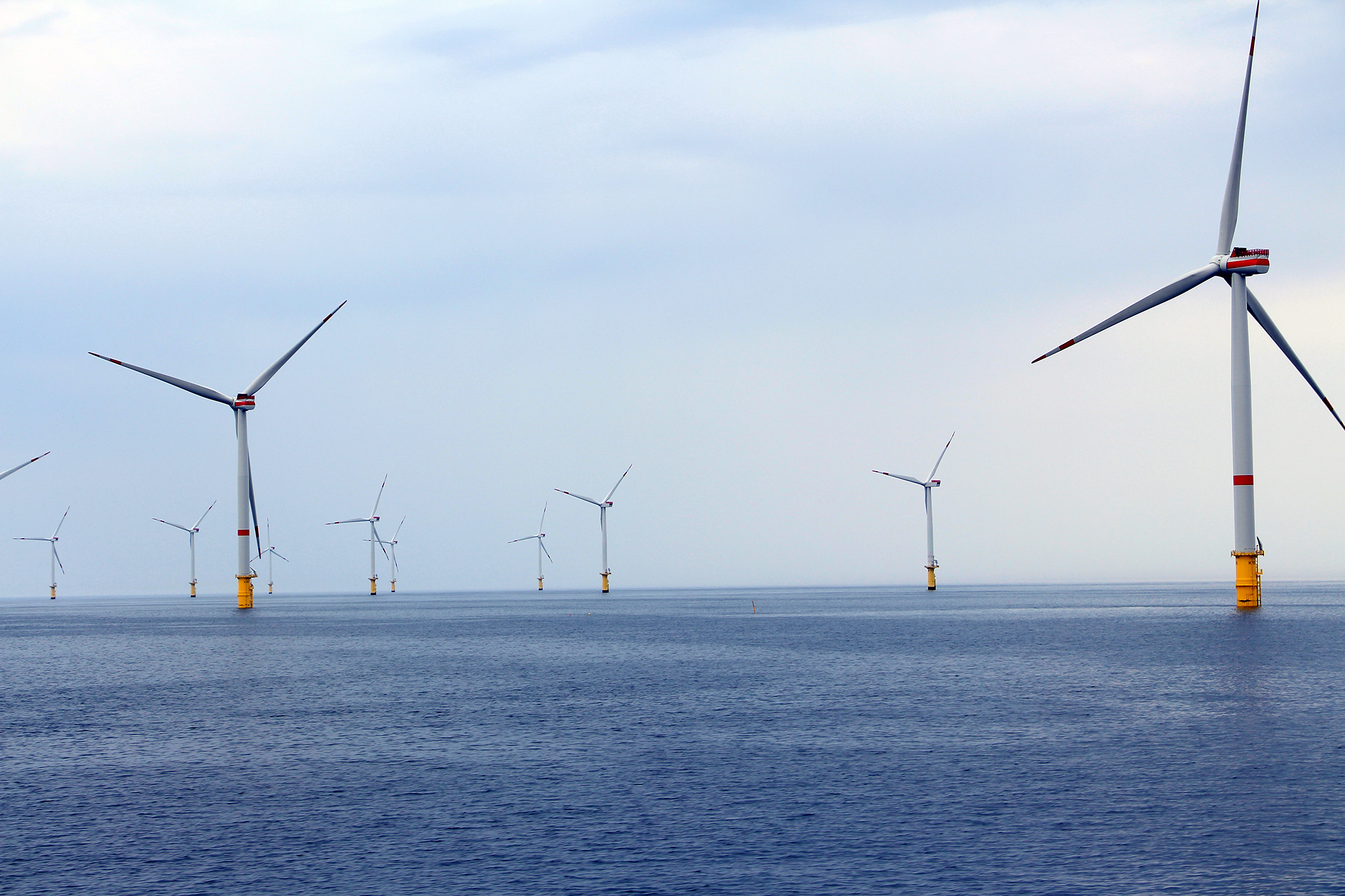
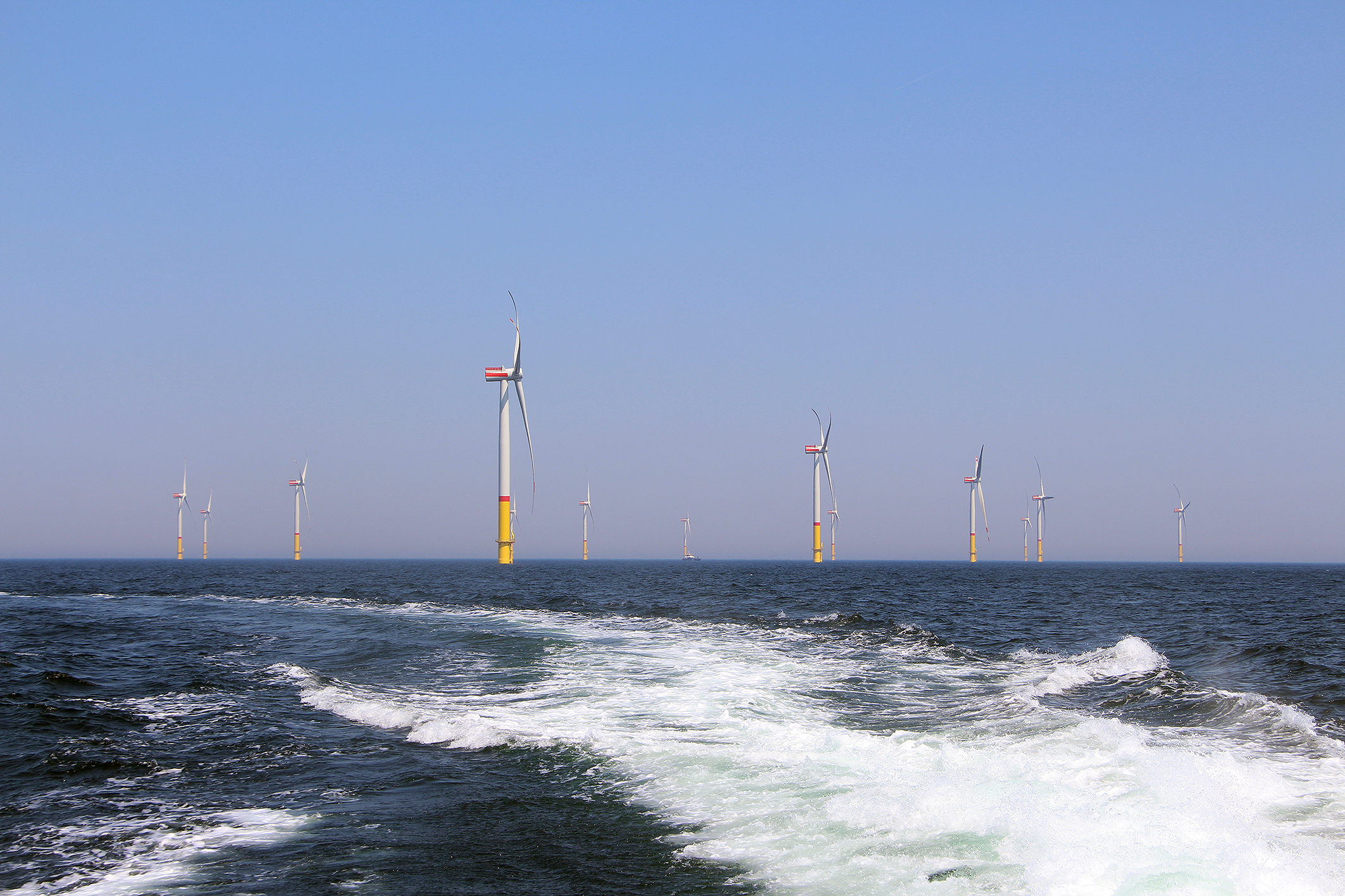
The North Seas Energy Cooperation’s (NSEC) North Sea Summit 2026 took place in Hamburg at the end of January this year. Europe’s offshore wind potential is at the heart of efforts to achieve climate neutrality, affordability and energy independence in the midst of turbulent geopolitical conditions.
This is a significant development for an energy-intensive industry such as the European steel industry, both in terms of affordable green molecules and electrons and in terms of the EU market for the wind industry. Offshore wind energy needs green steel, and the steel industry needs the lowest possible and reliable energy costs and EU sales markets
Building the North Sea Energy Center for a resilient and competitive Europe and the wind potential of the Baltic Sea
Building on the Esbjerg and Ostend declarations, the energy ministers of Belgium, Denmark, France, Germany, Ireland, Luxembourg, the Netherlands, Norway and the United Kingdom signed a joint declaration in Hamburg setting out their targets of 300 gigawatts by 2050, tenders for European installation capacities of up to 15 gigawatts per year in the period 2031-2040, 100 gigawatts of cross-border cooperation projects for the North Sea and the work of the NSEC.
Eight Baltic transmission system operators that have joined forces in the Baltic Offshore Grid Initiative: 50Hertz (Germany), AST (Latvia), Elering (Estonia), Energinet (Denmark), Fingrid (Finland), Litgrid (Lithuania), PSE (Poland) and Svenska kraftnät (Sweden) published an offshore system study ahead of the NSEC summit to promote coordinated maritime spatial planning, which could become a complementary energy hub with around 13 GW of new interconnectors and up to 50 GW of additional offshore wind energy by 2040 compared to 2030.
To enable a clean, secure and competitive Energy Union, the overarching theme of the 20th edition of the European Sustainable Energy Week (EUSEW), there must be fair competition and the European cross-industry lead markets outlined in my contribution must be allowed to grow.
The Clean Industrial Deal is taking shape
Offshore wind energy is of great importance for Europe. It is cost-effective – cheaper than building a new fossil fuel power plant. It’s efficient – a single offshore wind turbine can power 16,000 homes. And it is based in Europe – it employs 100,000 Europeans.
Exploiting the potential of offshore wind energy in the North Sea and Baltic Sea creates jobs, supplies energy and promotes industrialization in Europe. The North Sea Summit’s investment pact will mobilize economic activities worth 1 trillion euros by 2031 based on the potential of the North Sea alone and create around 91,000 additional jobs in Europe. So far, so good. In addition, offshore wind energy provides the energy with the power plant characteristics required for the transformation of energy-intensive industries and the stabilization of electricity grids.
As far as the steel industry is concerned, another short intermediate step is required. This involves creating a solid investment framework for offshore wind energy through targeted mechanisms such as long-term Power Purchase Agreements (PPAs), including cross-border PPAs. PPAs allow energy-intensive companies such as steel producers to avoid price volatility by fixing the price as an electricity consumer.
Electricity market design of the future is geared towards RE
This requires an electricity market design that is geared towards renewable energies in order to be able to use PPAs in the proposed way. This can be applied to green hydrogen. And that brings us quickly to the tendering criteria and the net-zero industry law. In this way, the European steel industry can reduce the carbon footprint of offshore wind farms in Europe and at the same time advance its own transformation.
Added to this is green hydrogen from offshore wind energy – this is very important for the decarbonization of energy-intensive industries. In addition to the steel industry, other industrial sectors are difficult to fully electrify: Chemical industry, cement industry, maritime industry, transportation, etc.
By the end of 2025, Amazon wanted to have initiated more than 230 wind and solar projects in 13 European countries. Once all projects are in operation, they are expected to supply a capacity of 9 gigawatts of sustainable energy. That is enough to supply more than 6.7 million households in the EU with electricity every year. Demand is high. This is particularly true for AI and data centers in Europe.
Green hydrogen from offshore wind energy is very important for the Decarbonization of other industrial sectors that are difficult to electrify in addition to the steel industry are: chemical industry, cement industry, maritime industry, transportation, etc.
Click here for my contribution as Digital Ambassador of the European Sustainable Energy Week (EUSEW 2026): https://sustainable-energy-week.ec.europa.eu/news/european-offshore-wind-power-competitive-eu-steel-industry-and-vice-versa-2026-02-10_en